



Professional Incinerator Solutions for Kenya
Livic Engineering Ltd delivers highly reliable and environmentally responsible incineration solutions built for Kenya's modern waste-management challenges. Our systems are engineered for clean combustion, reduced emissions, and long-term durability—ensuring full compliance with NEMA and public health standards across Nairobi, Mombasa, Kisumu, Nakuru and all Kenyan counties.
1. How Incinerators Work in Kenya (Medical & Industrial Waste)
Understanding Incinerator Technology for Kenyan Conditions
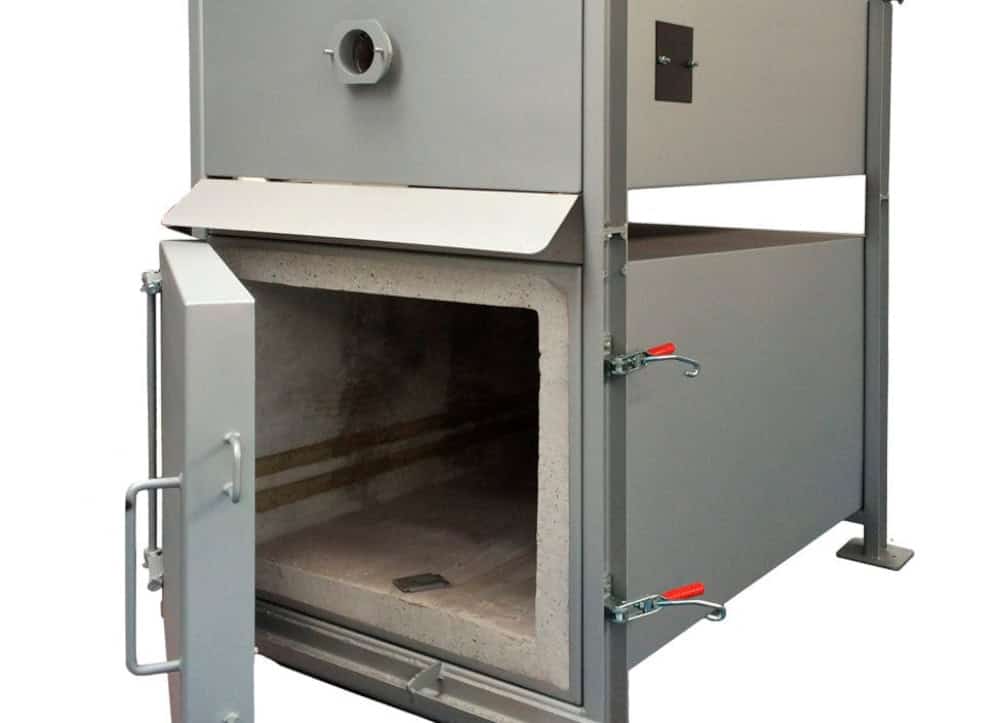
An incinerator is a high-temperature thermal treatment system designed to safely destroy hazardous, medical, and industrial waste through controlled combustion. In Kenya, incinerators are primarily used by hospitals, laboratories, industries, municipalities, and agricultural processors to meet environmental and public health requirements.
Modern incinerators operate by oxidizing waste at temperatures high enough to eliminate pathogens, reduce toxic compounds, and minimize waste volume, while ensuring emissions remain within limits set by the National Environment Management Authority (NEMA).
Step-by-Step Incineration Process
1. Waste Loading & Preparation
Waste is introduced into the primary combustion chamber through a controlled loading system. Segregation of waste at source is essential to ensure efficient combustion and regulatory compliance.
2. Primary Combustion (850–950°C)
In the primary chamber, waste is burned at high temperatures to destroy organic matter and pathogens. This stage reduces waste volume by up to 90–95%, converting it into sterile ash.
3. Secondary Combustion / Afterburner (1,100–1,200°C)
Gases released during primary combustion pass into a secondary chamber where they are further burned. This step is critical for destroying harmful emissions such as dioxins and furans and is a key requirement for NEMA-compliant incinerators in Kenya.
4. Emission Control & Flue Gas Handling
Modern systems incorporate insulation, controlled airflow, and optional emission control technologies to ensure smoke, odor, and particulate matter remain within acceptable environmental limits.
5. Ash Handling & Safe Disposal
The remaining ash is sterile, non-hazardous, and suitable for disposal at approved landfill sites, subject to local authority guidelines.
Electric vs Fuel-Fired Incinerators – Key Differences
| Feature | Electric Incinerators | Fuel-Fired Incinerators |
|---|---|---|
| Energy source | Electricity | Diesel, LPG, or natural gas |
| Noise & emissions | Very low | Controlled with afterburner |
| Ideal locations | Urban areas, hospitals, schools | Industrial sites, remote locations |
| Start-up time | Fast | Moderate |
| Operating cost | Dependent on power tariffs | Optimized for fuel efficiency |
| NEMA compliance | Yes | Yes |
Both technologies can be fully compliant when properly engineered, installed, and operated according to Kenyan environmental guidelines.
Technical Specifications Summary
Primary Chamber: 850-950°C
Secondary Chamber: 1100-1200°C
Small: 50 kg/hr
Medium: 100-200 kg/hr
Large: 300-500 kg/hr
Volume Reduction: 90-95%
Fuel Savings: Up to 80%
Ash Reduction: 3-5% of original volume
NEMA: Full compliance
KEBS: Material standards
International: Dual-chamber design
NEMA Compliance Requirements in Kenya
For an incinerator to be considered NEMA-compliant, it must meet several key criteria, including:
- Dual-chamber combustion with minimum operating temperatures (see NEMA compliance FAQ)
- Controlled residence time for exhaust gases
- Adequate insulation to maintain stable combustion
- Safe ash handling and disposal procedures
- Installation and operation in accordance with approved environmental impact assessments (EIA), where applicable
Non-compliant or poorly designed incinerators can lead to excessive emissions, regulatory penalties, and public health risks.
Why Proper Incinerator Design Matters in Kenya
Kenya's waste streams vary significantly by sector and region, from high-moisture agricultural waste to hazardous medical materials. Incinerators must therefore be engineered to:
- Handle variable waste compositions
- Operate reliably under local climatic conditions
- Minimize fuel or power consumption
- Meet long-term environmental compliance obligations
Locally designed and fabricated systems are better suited to these conditions, ensuring durability, serviceability, and regulatory acceptance.
Summary: Incineration as a Safe Waste-Management Solution
When correctly designed and operated, incinerators remain one of the most effective and reliable waste-treatment solutions for Kenya's healthcare, industrial, and municipal sectors. Modern dual-chamber systems provide safe destruction of hazardous waste while protecting public health and the environment.
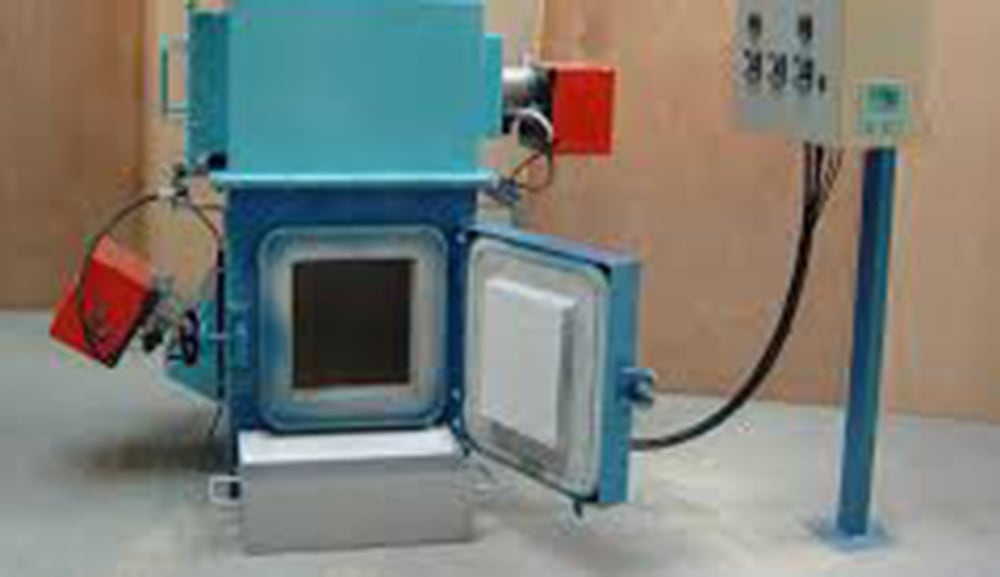
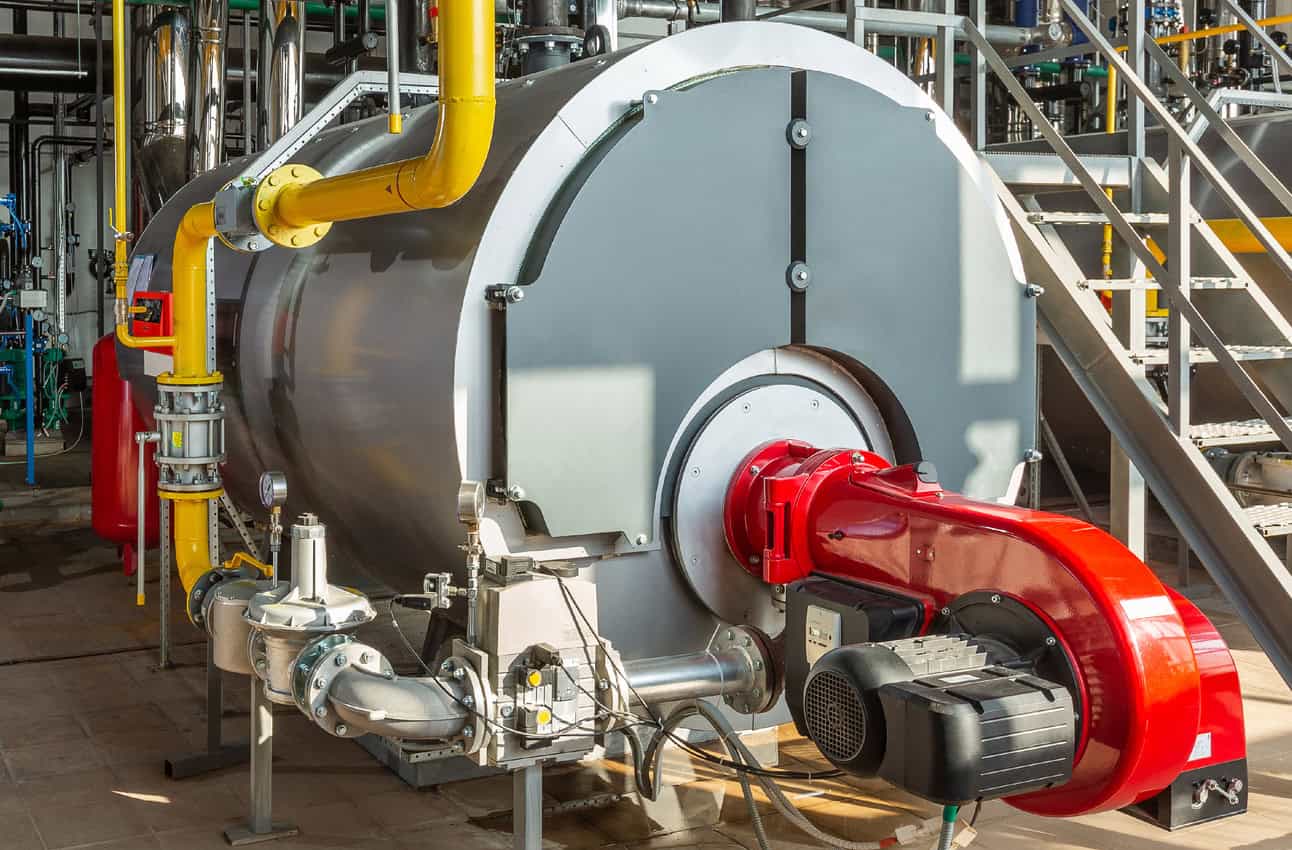
2. Fuel-Fired Incinerators
Our fuel-fired incinerators are engineered for maximum efficiency and reliability in demanding industrial environments across Kenya. Utilizing advanced dual-chamber technology, these systems deliver complete combustion while minimizing environmental impact.
Key Features & Specifications
- Dual-Chamber Combustion: Primary chamber (850-950°C) and secondary chamber (1100-1200°C) for complete emission control
- Construction Materials: Heavy-duty corrosion-resistant steel with ceramic fiber insulation
- Compliance Standards: Fully NEMA-compliant with low-emission technology
- Fuel Options: Compatible with diesel, LPG, or natural gas systems
- Capacity Range: From 50kg/hr to 500kg/hr waste processing capacity
- Automation: Optional PLC control systems with temperature monitoring
Ideal Applications
- Hospitals and medical facilities with high-volume waste
- Industrial manufacturing plants and factories
- Municipal waste processing centers
- Agricultural processing facilities
- Remote locations without reliable electricity
3. Electric Incinerators
Our electric incinerators provide clean, quiet, and efficient waste disposal solutions perfect for urban environments, educational institutions, and healthcare facilities where emissions and noise must be minimized.
Key Features & Advantages
- Zero Fuel Requirements: No diesel or LPG needed—operates entirely on electricity
- Minimal Emissions: Extremely low smoke and odor output
- Quiet Operation: Low operating noise suitable for residential areas
- Simple Maintenance: Fewer moving parts and no fuel system components
- Precise Temperature Control: Electric heating elements allow exact temperature regulation
- Quick Start-Up: Rapid heating to operating temperature
Ideal Applications
- Schools, universities, and educational institutions
- Private clinics, laboratories, and dental facilities
- Urban centers with strict emission regulations
- Hotels and hospitality establishments
- Office complexes and corporate campuses
- Any location with reliable electricity supply
4. Key Benefits & Advantages
Livic Engineering incinerators deliver measurable advantages that translate to real operational savings and environmental compliance for our clients across Kenya.
Cost & Efficiency Benefits
- Up to 80% Fuel Cost Reduction: Engineered thermal efficiency dramatically lowers operating expenses
- Reduced Maintenance Costs: Robust construction and quality components minimize downtime
- Long Service Life: Heavy-duty materials ensure years of reliable operation
- Energy Recovery Options: Optional heat recovery systems can further reduce energy costs
Technical & Support Advantages
- Rapid Technical Support: Majority of service calls resolved within 4 hours
- Comprehensive Training: Full operator training included with every installation
- Nationwide Service Network: Technical support available across Kenya
- Spare Parts Availability: Complete inventory of consumables and replacement parts
Environmental Compliance
- Full NEMA Compliance: All systems meet or exceed Kenyan environmental standards
- Emission Control Technology: Advanced systems minimize particulate and gas emissions
- Waste Volume Reduction: Up to 95% volume reduction of input waste
- Safe Ash Disposal: Sterilized ash suitable for landfill disposal
5. Waste Applications & Solutions
Our incinerators are designed to handle Kenya's diverse waste profiles, from high-moisture agricultural waste to hazardous medical materials. Each system is optimized for specific waste types and operational requirements.
Medical & Healthcare Waste
- Pathological Waste: Tissues, organs, and bodily fluids
- Sharps: Needles, syringes, and surgical instruments
- Pharmaceutical Waste: Expired medications and contaminated packaging
- Laboratory Waste: Cultures, stocks, and diagnostic specimens
- Contaminated Materials: Dressings, bandages, and personal protective equipment
Industrial & Commercial Waste
- Plastic & Packaging: Contaminated plastics, wrappers, and packaging materials
- Agricultural Waste: High-moisture crop residues and processing byproducts
- Municipal Hazardous Waste: Household chemicals and contaminated materials
- General Combustible Waste: Paper, cardboard, wood, and textiles
- Confidential Documents: Secure destruction of sensitive papers and records
Custom Solutions
We engineer custom incinerator solutions for specialized applications including:
- Animal carcass disposal for veterinary clinics and farms
- Chemical waste treatment for manufacturing facilities
- Portable incinerators for disaster response and temporary sites
- High-capacity systems for large institutions and municipalities
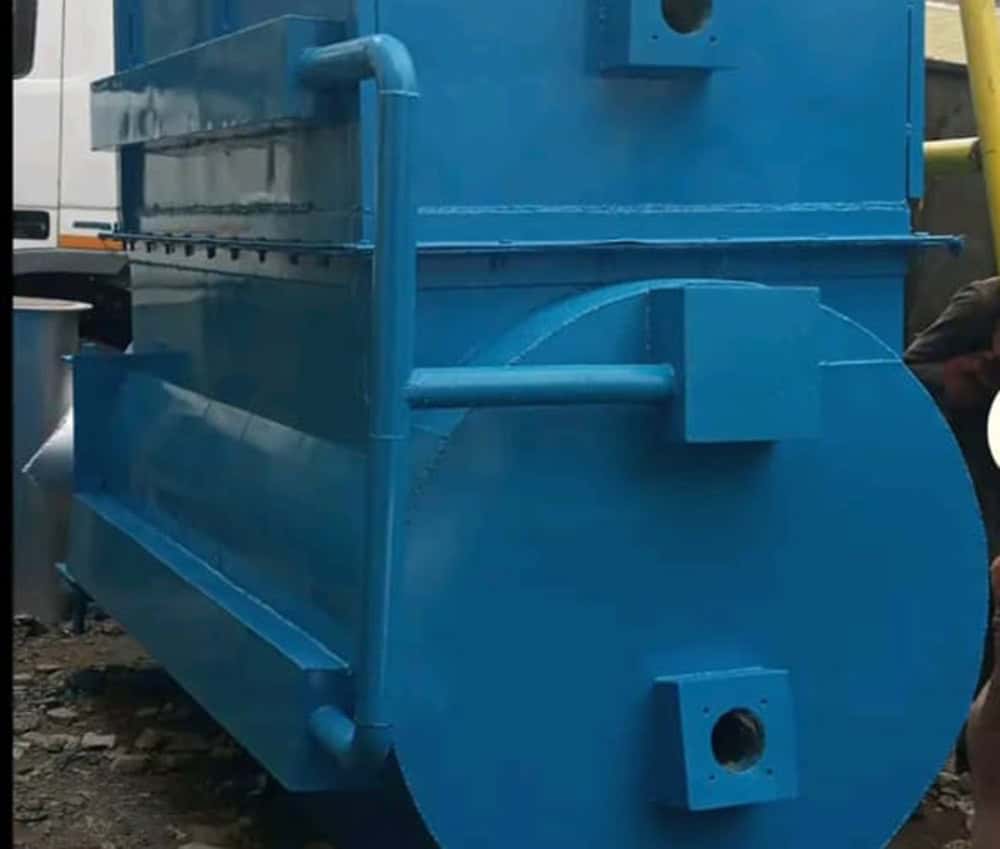
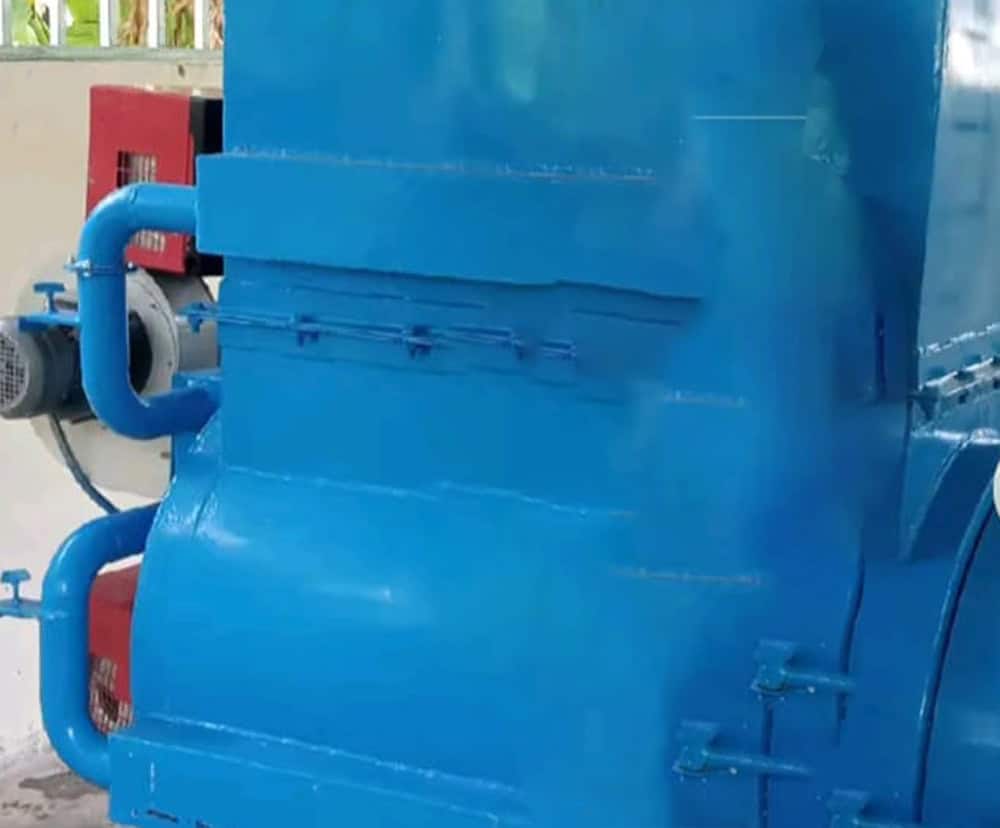
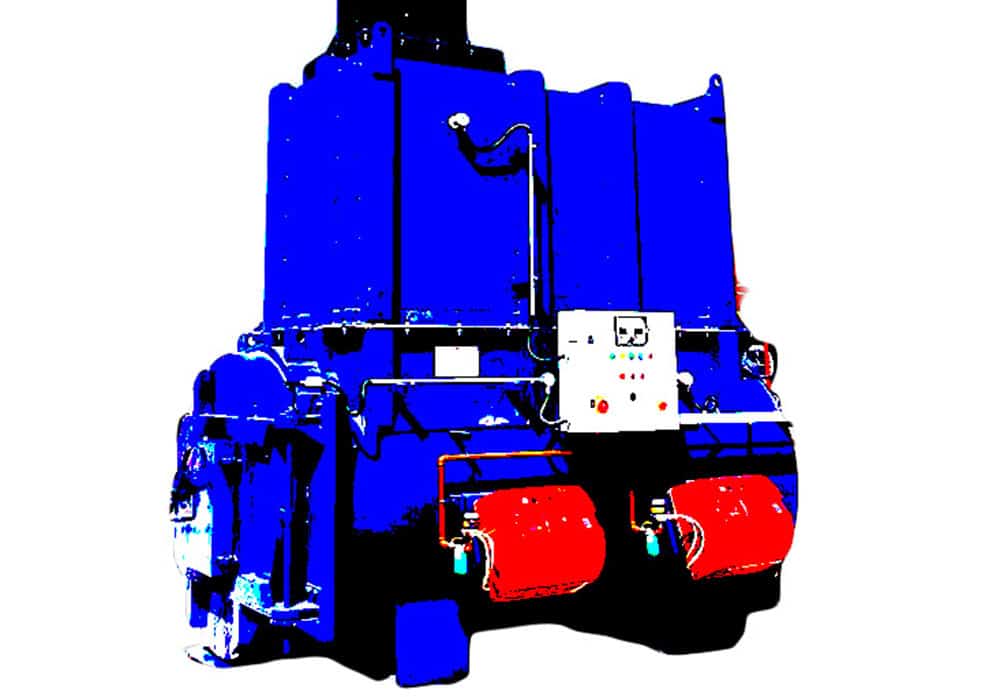
6. Incinerator Gallery
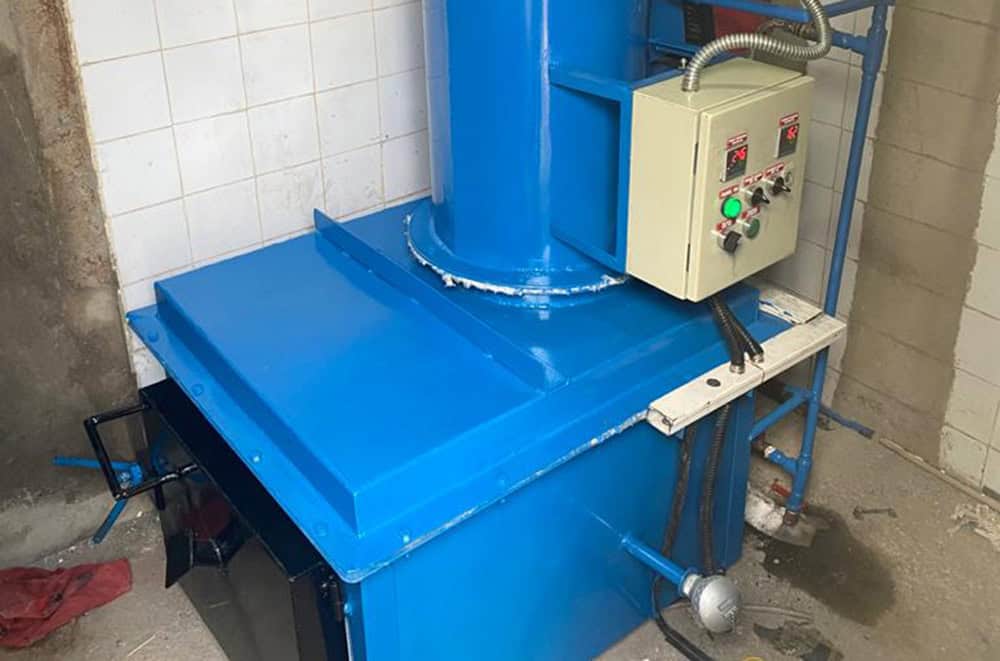
Browse our range of incinerator models and installations across Kenya. Each system is custom-fabricated to meet specific client requirements while maintaining our high standards of quality and performance.
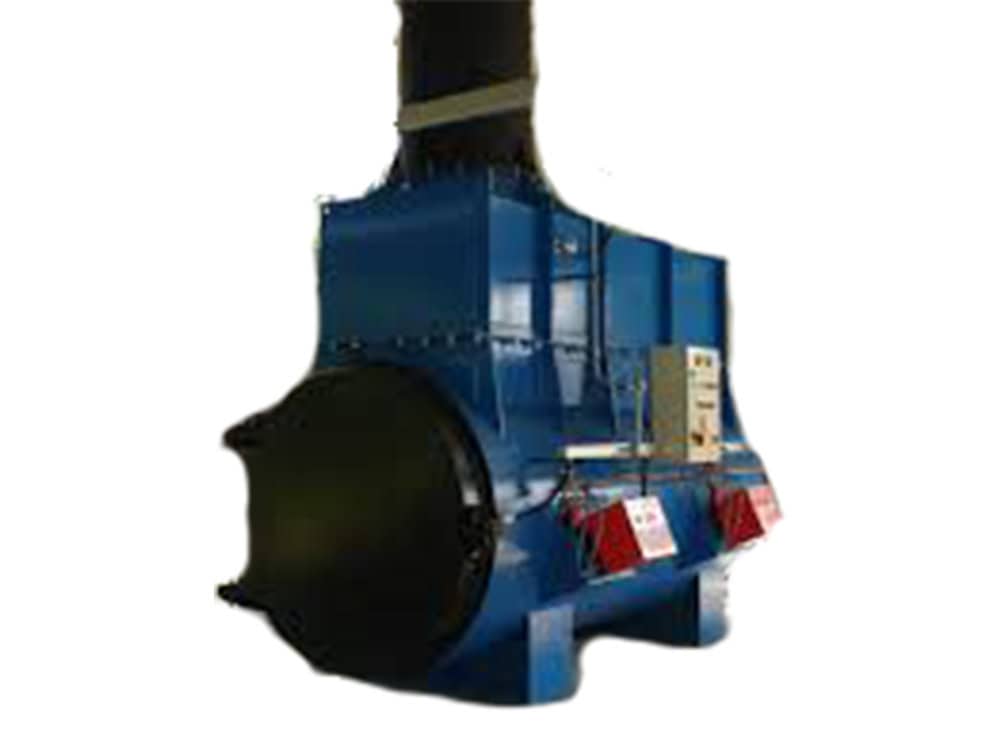
High-Efficiency Medical Units
Safe, hygienic, and fully compliant disposal for healthcare facilities across Kenya.
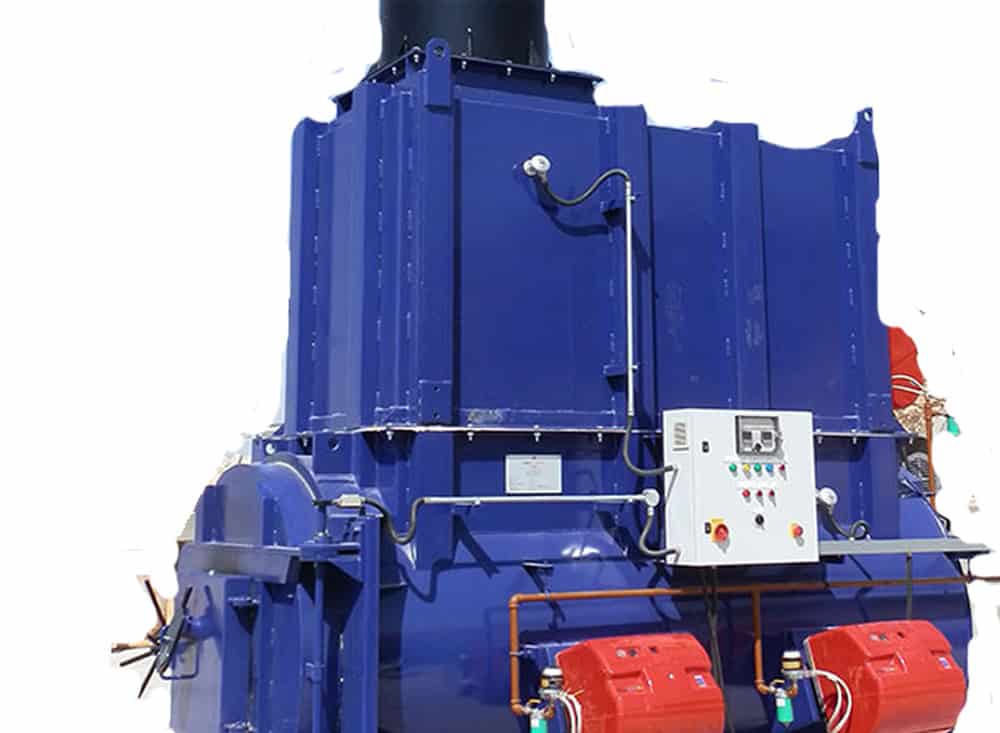
Heavy-Duty Industrial Units
High-capacity systems for factories, agro-industries, and municipal waste operations in Kenya.
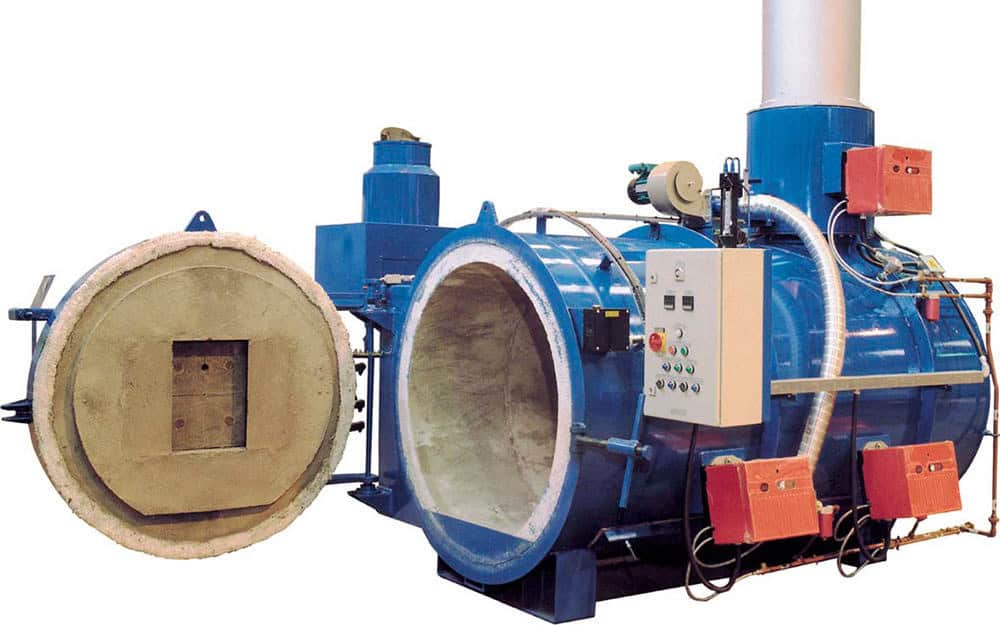
Medical Waste Incinerators
Designed for hospitals and clinics requiring clean, controlled, and compliant disposal of hazardous medical waste in Kenya.
Industrial Waste Incinerators
Heavy-duty combustion for factories, agro-industrial facilities, municipalities, and high-volume waste applications in Kenya.